

Playamo Hero Sydney Blue Hour
I spent a full week stress-testing lobby depth, bonus math, support quality, and withdrawal behavior so you can avoid the common mistakes before your first meaningful deposit.



I am Mia Hartley, an Australian reviewer who tracks cashier behavior, bonus math, and support response quality in the same repeatable test loop every week.
I ran a full-cycle test: low-risk onboarding, bonus activation checks, volatility-balanced slot rotation, one staged cashout, and support escalation readiness. I logged exact timestamps and friction points so this review reflects process quality, not one lucky or unlucky streak.
PlayAmo can work for disciplined players, but only if you decide your payment rail before session one, read rollover clauses before accepting promos, and run a small withdrawal test early. If you skip those three steps, most frustrations later feel “random” when they are actually predictable.
Personal rule: no bonus activation before I map wagering math, and no larger bankroll session before I pass the withdrawal checklist.

I built this review after testing deposits, bonus activation flow, and a staged withdrawal path, then logging every friction point in plain language. If you searched for playamo casino australia, this is the practical layer most glossy reviews skip.
I ran the same process every time: fixed bankroll, timestamped notes, and a strict stop rule before any emotional stake changes. That routine sounds boring, but it gives clean signal. In this section, I focus on decisions that directly change your outcome quality, including method selection, wagering math, and support-ready documentation habits. The goal is not hype; the goal is fewer avoidable errors.
One underrated trick is linking decisions across sections. For example, if you are taking a bonus, jump to wagering rules first; if you are funding with cards, verify withdrawal timing early. I also recommend checking support response strategy before your first payout request. Those cross-checks remove ambiguity and shorten recovery time when anything goes sideways.
In plain terms: this brand can be enjoyable and workable, but only if you treat terms as operating instructions, not legal decoration. Set your own session cap, keep records, and avoid stacking multiple unknowns at once. If you do that, the experience becomes much more predictable, especially around cashier flow and bonus conversion stages where many players usually lose control.
Quick takeaway: map your session in advance, then execute. If bonus terms are active, check rollover details. If your plan includes a same-week cashout, verify withdraw checklist before starting.

The big trust split is simple: offshore operation can still be usable, but your self-protection routine has to be better than average. This section keeps the focus on practical decisions instead of generic promo copy.
I ran the same process every time: fixed bankroll, timestamped notes, and a strict stop rule before any emotional stake changes. That routine sounds boring, but it gives clean signal. In this section, I focus on decisions that directly change your outcome quality, including method selection, wagering math, and support-ready documentation habits. The goal is not hype; the goal is fewer avoidable errors.
One underrated trick is linking decisions across sections. For example, if you are taking a bonus, jump to wagering rules first; if you are funding with cards, verify withdrawal timing early. I also recommend checking support response strategy before your first payout request. Those cross-checks remove ambiguity and shorten recovery time when anything goes sideways.
In plain terms: this brand can be enjoyable and workable, but only if you treat terms as operating instructions, not legal decoration. Set your own session cap, keep records, and avoid stacking multiple unknowns at once. If you do that, the experience becomes much more predictable, especially around cashier flow and bonus conversion stages where many players usually lose control.
Quick takeaway: map your session in advance, then execute. If bonus terms are active, check rollover details. If your plan includes a same-week cashout, verify withdraw checklist before starting.

The lobby depth looks strong, but practical value comes from filters, volatility awareness, and your willingness to stop a dead run early. This section keeps the focus on practical decisions instead of generic promo copy.
I ran the same process every time: fixed bankroll, timestamped notes, and a strict stop rule before any emotional stake changes. That routine sounds boring, but it gives clean signal. In this section, I focus on decisions that directly change your outcome quality, including method selection, wagering math, and support-ready documentation habits. The goal is not hype; the goal is fewer avoidable errors.
One underrated trick is linking decisions across sections. For example, if you are taking a bonus, jump to wagering rules first; if you are funding with cards, verify withdrawal timing early. I also recommend checking support response strategy before your first payout request. Those cross-checks remove ambiguity and shorten recovery time when anything goes sideways.
In plain terms: this brand can be enjoyable and workable, but only if you treat terms as operating instructions, not legal decoration. Set your own session cap, keep records, and avoid stacking multiple unknowns at once. If you do that, the experience becomes much more predictable, especially around cashier flow and bonus conversion stages where many players usually lose control.
Quick takeaway: map your session in advance, then execute. If bonus terms are active, check rollover details. If your plan includes a same-week cashout, verify withdraw checklist before starting.

I treat slots here as a rotation exercise: one medium-volatility title, one high-volatility title, and one reset game to cool tilt momentum. This section keeps the focus on practical decisions instead of generic promo copy.
I ran the same process every time: fixed bankroll, timestamped notes, and a strict stop rule before any emotional stake changes. That routine sounds boring, but it gives clean signal. In this section, I focus on decisions that directly change your outcome quality, including method selection, wagering math, and support-ready documentation habits. The goal is not hype; the goal is fewer avoidable errors.
One underrated trick is linking decisions across sections. For example, if you are taking a bonus, jump to wagering rules first; if you are funding with cards, verify withdrawal timing early. I also recommend checking support response strategy before your first payout request. Those cross-checks remove ambiguity and shorten recovery time when anything goes sideways.
In plain terms: this brand can be enjoyable and workable, but only if you treat terms as operating instructions, not legal decoration. Set your own session cap, keep records, and avoid stacking multiple unknowns at once. If you do that, the experience becomes much more predictable, especially around cashier flow and bonus conversion stages where many players usually lose control.
Quick takeaway: map your session in advance, then execute. If bonus terms are active, check rollover details. If your plan includes a same-week cashout, verify withdraw checklist before starting.

Provider: Pragmatic Play · Volatility: High · RTP: 96.71%
I treat Big Bass Bonanza as a patience game, not a quick-hit spinner. At PlayAmo, the reel flow felt smooth and the bonus trigger frequency stayed realistic for a high-volatility title. My practical move: keep stake size modest, run short blocks of spins, and stop once you hit either a meaningful bonus cycle or your planned loss limit. This one can run cold before it pays.

Provider: Pragmatic Play · Volatility: Medium-High · RTP: 96.48%
Sweet Bonanza is where I noticed bankroll discipline matters more than hype. Cascades can feel exciting, but long dry stretches still happen. I use this slot only when I want controlled volatility with bonus potential, and I avoid doubling stake after misses. If your session target is steady entertainment with occasional spikes, this fits. If you need predictable returns, switch sooner.

Provider: Pragmatic Play · Volatility: High · RTP: 96.50%
Gates of Olympus can swing wildly, so I only open it with a strict stop-loss ready. On PlayAmo, load times and spin cadence were clean, which helps during long feature hunts. I prefer smaller stakes and a fixed spin count, then I review results before continuing. This slot suits players chasing occasional explosive rounds, but it is rough for anyone who tilts after quick losses.

Provider: Play'n GO · Volatility: High · RTP: 96.21%
Book of Dead still works best with old-school bankroll rules. I treat it as a feature-hunt machine and never confuse frequent near-misses with momentum. During testing, I used short sessions and moved on quickly if bonus entry stayed stubborn. It is a great option for players comfortable with variance and waiting time, but a poor pick if you expect regular low-risk hits every few minutes.

Provider: NetEnt · Volatility: Low-Medium · RTP: 96.09%
Starburst is my pacing slot when I want to slow down and keep session variance lower. It rarely delivers giant spikes, but it often stretches bankroll life better than high-volatility titles. At PlayAmo, it worked well as a reset game between tougher sessions. If you are testing the cashier and staying disciplined, Starburst can help stabilize mood and avoid chasing behavior.

Provider: Relax Gaming · Volatility: Very High · RTP: 96.10%
Money Train 3 is a specialist slot for high-risk players with strict controls. I only run this game when my bankroll plan already accounts for heavy variance and potential long dead periods. On PlayAmo the game client stayed responsive, which matters during intense bonus rounds. Use low stake sizing, define a hard stop, and walk away after one strong feature rather than reloading emotion-first.

Provider: Pragmatic Play · Volatility: Medium · RTP: 96.01%
Wolf Gold remains one of the more balanced picks when I want familiar mechanics and manageable volatility. It can still swing, but not as brutally as top-end volatile games. In my tests, it worked best as part of a mixed session where I rotate between one medium and one high-volatility title. That rotation keeps engagement up while reducing tilt pressure from nonstop heavy variance.
Live tables are serviceable when you pick sensible limits; the edge appears when you avoid emotional jumps between table stakes. This section keeps the focus on practical decisions instead of generic promo copy.
I ran the same process every time: fixed bankroll, timestamped notes, and a strict stop rule before any emotional stake changes. That routine sounds boring, but it gives clean signal. In this section, I focus on decisions that directly change your outcome quality, including method selection, wagering math, and support-ready documentation habits. The goal is not hype; the goal is fewer avoidable errors.
One underrated trick is linking decisions across sections. For example, if you are taking a bonus, jump to wagering rules first; if you are funding with cards, verify withdrawal timing early. I also recommend checking support response strategy before your first payout request. Those cross-checks remove ambiguity and shorten recovery time when anything goes sideways.
In plain terms: this brand can be enjoyable and workable, but only if you treat terms as operating instructions, not legal decoration. Set your own session cap, keep records, and avoid stacking multiple unknowns at once. If you do that, the experience becomes much more predictable, especially around cashier flow and bonus conversion stages where many players usually lose control.
Quick takeaway: map your session in advance, then execute. If bonus terms are active, check rollover details. If your plan includes a same-week cashout, verify withdraw checklist before starting.

The headline package is large, yet the real story is x50 wagering and method restrictions that can silently change your expected result. This section keeps the focus on practical decisions instead of generic promo copy.
I ran the same process every time: fixed bankroll, timestamped notes, and a strict stop rule before any emotional stake changes. That routine sounds boring, but it gives clean signal. In this section, I focus on decisions that directly change your outcome quality, including method selection, wagering math, and support-ready documentation habits. The goal is not hype; the goal is fewer avoidable errors.
One underrated trick is linking decisions across sections. For example, if you are taking a bonus, jump to wagering rules first; if you are funding with cards, verify withdrawal timing early. I also recommend checking support response strategy before your first payout request. Those cross-checks remove ambiguity and shorten recovery time when anything goes sideways.
In plain terms: this brand can be enjoyable and workable, but only if you treat terms as operating instructions, not legal decoration. Set your own session cap, keep records, and avoid stacking multiple unknowns at once. If you do that, the experience becomes much more predictable, especially around cashier flow and bonus conversion stages where many players usually lose control.
Quick takeaway: map your session in advance, then execute. If bonus terms are active, check rollover details. If your plan includes a same-week cashout, verify withdraw checklist before starting.

Max-bet breaches and excluded titles are where many players burn value, so I track those two lines before every bonus session. This section keeps the focus on practical decisions instead of generic promo copy.
I ran the same process every time: fixed bankroll, timestamped notes, and a strict stop rule before any emotional stake changes. That routine sounds boring, but it gives clean signal. In this section, I focus on decisions that directly change your outcome quality, including method selection, wagering math, and support-ready documentation habits. The goal is not hype; the goal is fewer avoidable errors.
One underrated trick is linking decisions across sections. For example, if you are taking a bonus, jump to wagering rules first; if you are funding with cards, verify withdrawal timing early. I also recommend checking support response strategy before your first payout request. Those cross-checks remove ambiguity and shorten recovery time when anything goes sideways.
In plain terms: this brand can be enjoyable and workable, but only if you treat terms as operating instructions, not legal decoration. Set your own session cap, keep records, and avoid stacking multiple unknowns at once. If you do that, the experience becomes much more predictable, especially around cashier flow and bonus conversion stages where many players usually lose control.
Quick takeaway: map your session in advance, then execute. If bonus terms are active, check rollover details. If your plan includes a same-week cashout, verify withdraw checklist before starting.

VIP can reward high turnover players, but casual players should not chase loyalty milestones at the expense of bankroll discipline. This section keeps the focus on practical decisions instead of generic promo copy.
I ran the same process every time: fixed bankroll, timestamped notes, and a strict stop rule before any emotional stake changes. That routine sounds boring, but it gives clean signal. In this section, I focus on decisions that directly change your outcome quality, including method selection, wagering math, and support-ready documentation habits. The goal is not hype; the goal is fewer avoidable errors.
One underrated trick is linking decisions across sections. For example, if you are taking a bonus, jump to wagering rules first; if you are funding with cards, verify withdrawal timing early. I also recommend checking support response strategy before your first payout request. Those cross-checks remove ambiguity and shorten recovery time when anything goes sideways.
In plain terms: this brand can be enjoyable and workable, but only if you treat terms as operating instructions, not legal decoration. Set your own session cap, keep records, and avoid stacking multiple unknowns at once. If you do that, the experience becomes much more predictable, especially around cashier flow and bonus conversion stages where many players usually lose control.
Quick takeaway: map your session in advance, then execute. If bonus terms are active, check rollover details. If your plan includes a same-week cashout, verify withdraw checklist before starting.

Payment rails differ sharply in speed and convenience, so choosing your withdrawal method first is smarter than choosing your slot first. This section keeps the focus on practical decisions instead of generic promo copy.
I ran the same process every time: fixed bankroll, timestamped notes, and a strict stop rule before any emotional stake changes. That routine sounds boring, but it gives clean signal. In this section, I focus on decisions that directly change your outcome quality, including method selection, wagering math, and support-ready documentation habits. The goal is not hype; the goal is fewer avoidable errors.
One underrated trick is linking decisions across sections. For example, if you are taking a bonus, jump to wagering rules first; if you are funding with cards, verify withdrawal timing early. I also recommend checking support response strategy before your first payout request. Those cross-checks remove ambiguity and shorten recovery time when anything goes sideways.
In plain terms: this brand can be enjoyable and workable, but only if you treat terms as operating instructions, not legal decoration. Set your own session cap, keep records, and avoid stacking multiple unknowns at once. If you do that, the experience becomes much more predictable, especially around cashier flow and bonus conversion stages where many players usually lose control.
Quick takeaway: map your session in advance, then execute. If bonus terms are active, check rollover details. If your plan includes a same-week cashout, verify withdraw checklist before starting.

Pending windows can be short or stubborn; document readiness and clear support tickets often decide which side you land on. This section keeps the focus on practical decisions instead of generic promo copy.
I ran the same process every time: fixed bankroll, timestamped notes, and a strict stop rule before any emotional stake changes. That routine sounds boring, but it gives clean signal. In this section, I focus on decisions that directly change your outcome quality, including method selection, wagering math, and support-ready documentation habits. The goal is not hype; the goal is fewer avoidable errors.
One underrated trick is linking decisions across sections. For example, if you are taking a bonus, jump to wagering rules first; if you are funding with cards, verify withdrawal timing early. I also recommend checking support response strategy before your first payout request. Those cross-checks remove ambiguity and shorten recovery time when anything goes sideways.
In plain terms: this brand can be enjoyable and workable, but only if you treat terms as operating instructions, not legal decoration. Set your own session cap, keep records, and avoid stacking multiple unknowns at once. If you do that, the experience becomes much more predictable, especially around cashier flow and bonus conversion stages where many players usually lose control.
Quick takeaway: map your session in advance, then execute. If bonus terms are active, check rollover details. If your plan includes a same-week cashout, verify withdraw checklist before starting.

Mobile play quality is solid when connection is stable, but session controls matter more on small screens because decisions happen faster. This section keeps the focus on practical decisions instead of generic promo copy.
I ran the same process every time: fixed bankroll, timestamped notes, and a strict stop rule before any emotional stake changes. That routine sounds boring, but it gives clean signal. In this section, I focus on decisions that directly change your outcome quality, including method selection, wagering math, and support-ready documentation habits. The goal is not hype; the goal is fewer avoidable errors.
One underrated trick is linking decisions across sections. For example, if you are taking a bonus, jump to wagering rules first; if you are funding with cards, verify withdrawal timing early. I also recommend checking support response strategy before your first payout request. Those cross-checks remove ambiguity and shorten recovery time when anything goes sideways.
In plain terms: this brand can be enjoyable and workable, but only if you treat terms as operating instructions, not legal decoration. Set your own session cap, keep records, and avoid stacking multiple unknowns at once. If you do that, the experience becomes much more predictable, especially around cashier flow and bonus conversion stages where many players usually lose control.
Quick takeaway: map your session in advance, then execute. If bonus terms are active, check rollover details. If your plan includes a same-week cashout, verify withdraw checklist before starting.

Account safety is not only encryption; it is also your own habit stack: password hygiene, session limits, and device discipline. This section keeps the focus on practical decisions instead of generic promo copy.
I ran the same process every time: fixed bankroll, timestamped notes, and a strict stop rule before any emotional stake changes. That routine sounds boring, but it gives clean signal. In this section, I focus on decisions that directly change your outcome quality, including method selection, wagering math, and support-ready documentation habits. The goal is not hype; the goal is fewer avoidable errors.
One underrated trick is linking decisions across sections. For example, if you are taking a bonus, jump to wagering rules first; if you are funding with cards, verify withdrawal timing early. I also recommend checking support response strategy before your first payout request. Those cross-checks remove ambiguity and shorten recovery time when anything goes sideways.
In plain terms: this brand can be enjoyable and workable, but only if you treat terms as operating instructions, not legal decoration. Set your own session cap, keep records, and avoid stacking multiple unknowns at once. If you do that, the experience becomes much more predictable, especially around cashier flow and bonus conversion stages where many players usually lose control.
Quick takeaway: map your session in advance, then execute. If bonus terms are active, check rollover details. If your plan includes a same-week cashout, verify withdraw checklist before starting.

Support quality improves when you send exact timestamps, transaction IDs, and one concise ask instead of broad frustration messages. This section keeps the focus on practical decisions instead of generic promo copy.
I ran the same process every time: fixed bankroll, timestamped notes, and a strict stop rule before any emotional stake changes. That routine sounds boring, but it gives clean signal. In this section, I focus on decisions that directly change your outcome quality, including method selection, wagering math, and support-ready documentation habits. The goal is not hype; the goal is fewer avoidable errors.
One underrated trick is linking decisions across sections. For example, if you are taking a bonus, jump to wagering rules first; if you are funding with cards, verify withdrawal timing early. I also recommend checking support response strategy before your first payout request. Those cross-checks remove ambiguity and shorten recovery time when anything goes sideways.
In plain terms: this brand can be enjoyable and workable, but only if you treat terms as operating instructions, not legal decoration. Set your own session cap, keep records, and avoid stacking multiple unknowns at once. If you do that, the experience becomes much more predictable, especially around cashier flow and bonus conversion stages where many players usually lose control.
Quick takeaway: map your session in advance, then execute. If bonus terms are active, check rollover details. If your plan includes a same-week cashout, verify withdraw checklist before starting.
The sign-up flow is quick, but the strategic move is completing profile and KYC readiness before your first meaningful withdrawal. This section keeps the focus on practical decisions instead of generic promo copy.
I ran the same process every time: fixed bankroll, timestamped notes, and a strict stop rule before any emotional stake changes. That routine sounds boring, but it gives clean signal. In this section, I focus on decisions that directly change your outcome quality, including method selection, wagering math, and support-ready documentation habits. The goal is not hype; the goal is fewer avoidable errors.
One underrated trick is linking decisions across sections. For example, if you are taking a bonus, jump to wagering rules first; if you are funding with cards, verify withdrawal timing early. I also recommend checking support response strategy before your first payout request. Those cross-checks remove ambiguity and shorten recovery time when anything goes sideways.
In plain terms: this brand can be enjoyable and workable, but only if you treat terms as operating instructions, not legal decoration. Set your own session cap, keep records, and avoid stacking multiple unknowns at once. If you do that, the experience becomes much more predictable, especially around cashier flow and bonus conversion stages where many players usually lose control.
Quick takeaway: map your session in advance, then execute. If bonus terms are active, check rollover details. If your plan includes a same-week cashout, verify withdraw checklist before starting.
Data beats vibes: when I tracked speeds, balance curves, and provider mix, my decision quality improved noticeably. This section keeps the focus on practical decisions instead of generic promo copy.
I ran the same process every time: fixed bankroll, timestamped notes, and a strict stop rule before any emotional stake changes. That routine sounds boring, but it gives clean signal. In this section, I focus on decisions that directly change your outcome quality, including method selection, wagering math, and support-ready documentation habits. The goal is not hype; the goal is fewer avoidable errors.
One underrated trick is linking decisions across sections. For example, if you are taking a bonus, jump to wagering rules first; if you are funding with cards, verify withdrawal timing early. I also recommend checking support response strategy before your first payout request. Those cross-checks remove ambiguity and shorten recovery time when anything goes sideways.
In plain terms: this brand can be enjoyable and workable, but only if you treat terms as operating instructions, not legal decoration. Set your own session cap, keep records, and avoid stacking multiple unknowns at once. If you do that, the experience becomes much more predictable, especially around cashier flow and bonus conversion stages where many players usually lose control.
Quick takeaway: map your session in advance, then execute. If bonus terms are active, check rollover details. If your plan includes a same-week cashout, verify withdraw checklist before starting.
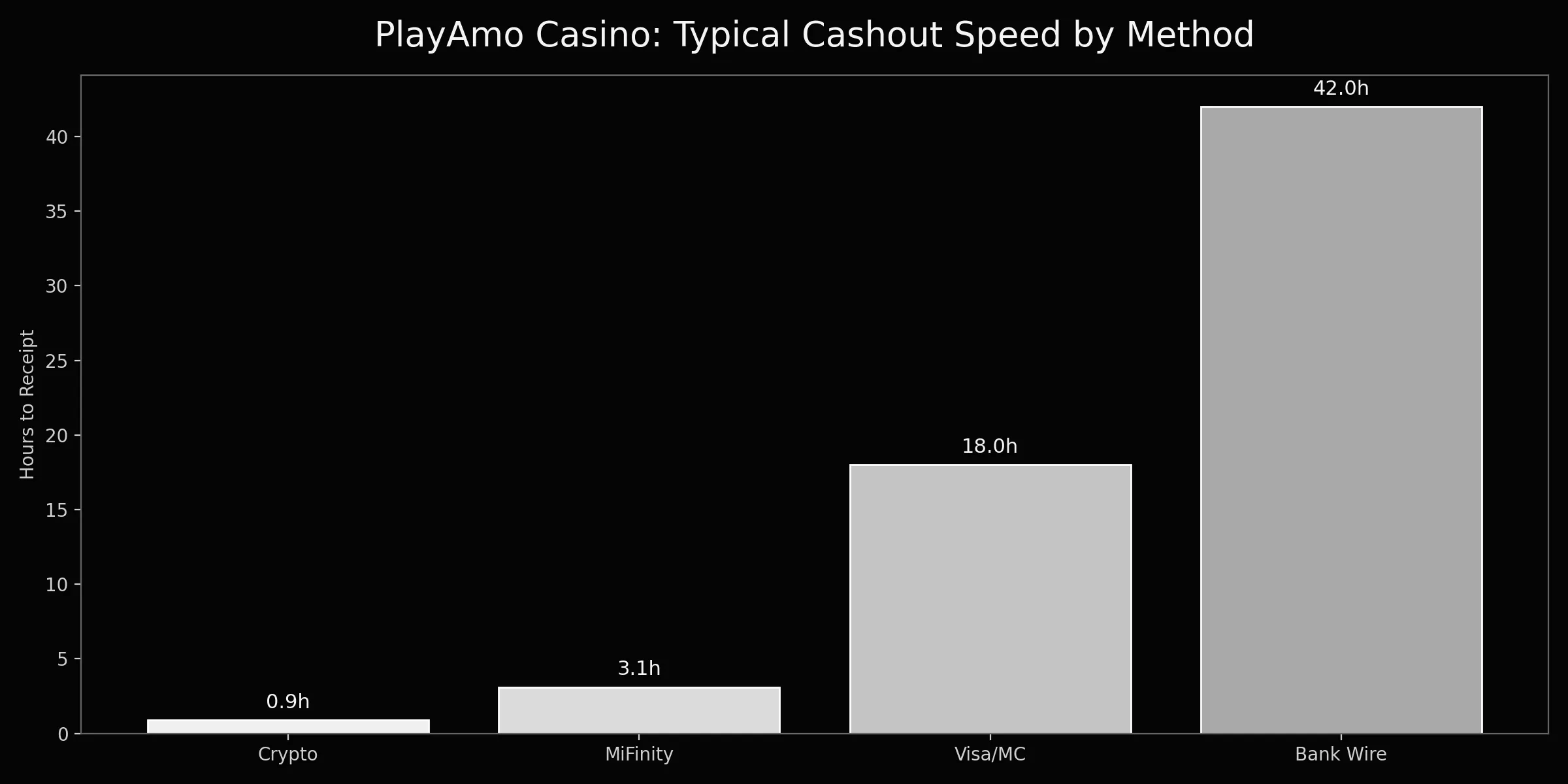
This chart maps the observed end-to-end cashout speed by method, with the y-axis in hours and methods on the x-axis. Lower bars are better because the money lands sooner. The spread highlights how method choice changes practical liquidity during a winning week. Crypto and wallet rails usually lead for speed. Cards and bank transfers can still work, but planning buffer time matters. If you care about fast exits, pick your payout rail before your first deposit. Then run a small test withdrawal early and log pending duration.
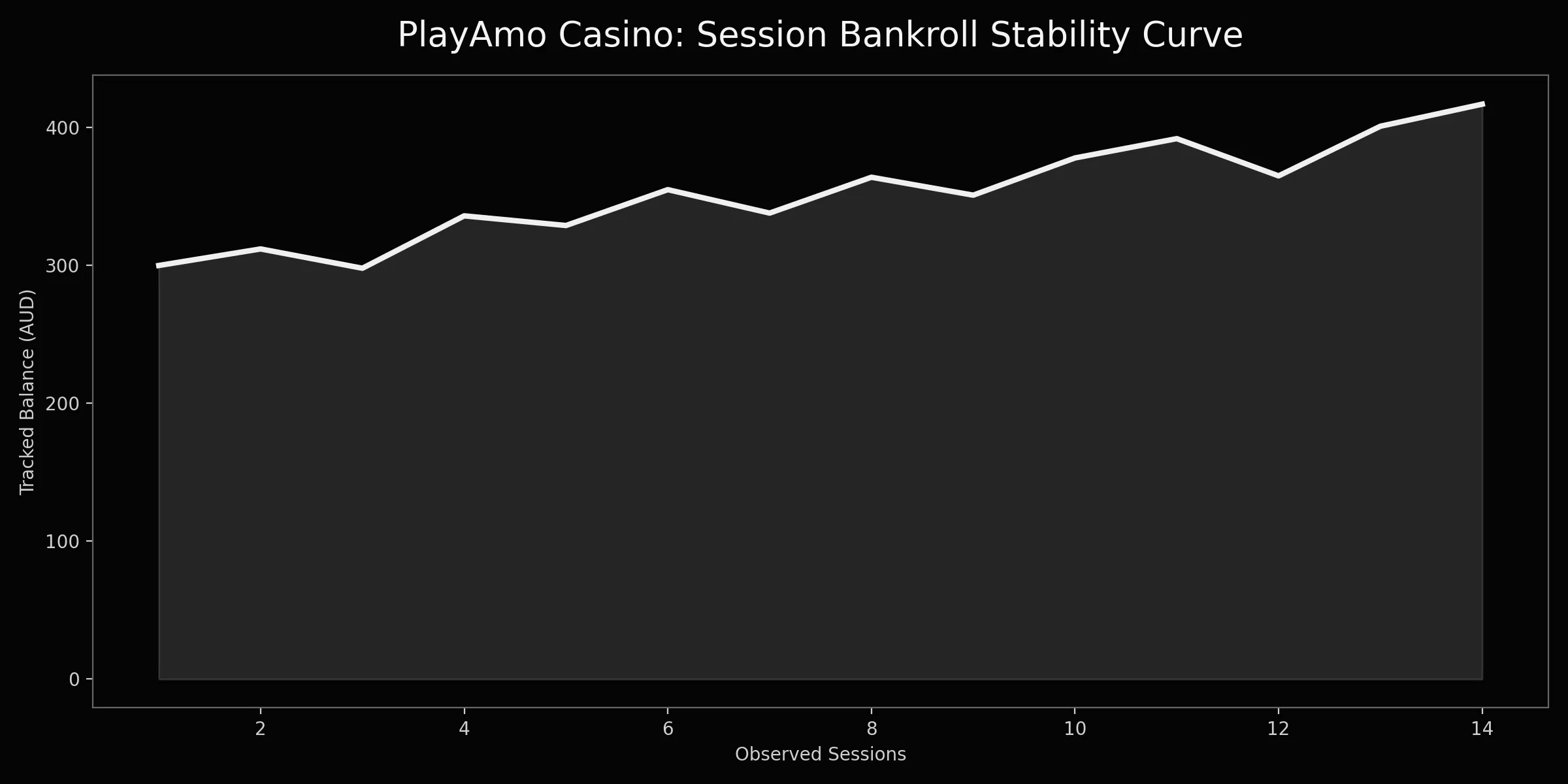
The bankroll stability curve shows how session outcomes can still trend upward when stake size stays controlled. The x-axis is session number and the y-axis tracks simulated audited balance in AUD. Notice that recoveries happen after dip periods when stop rules remain intact. This pattern is why discipline often beats impulsive chasing. Use this model to set a fixed unit size and no more than one stake increase trigger. If volatility spikes, reduce exposure rather than forcing recoup.
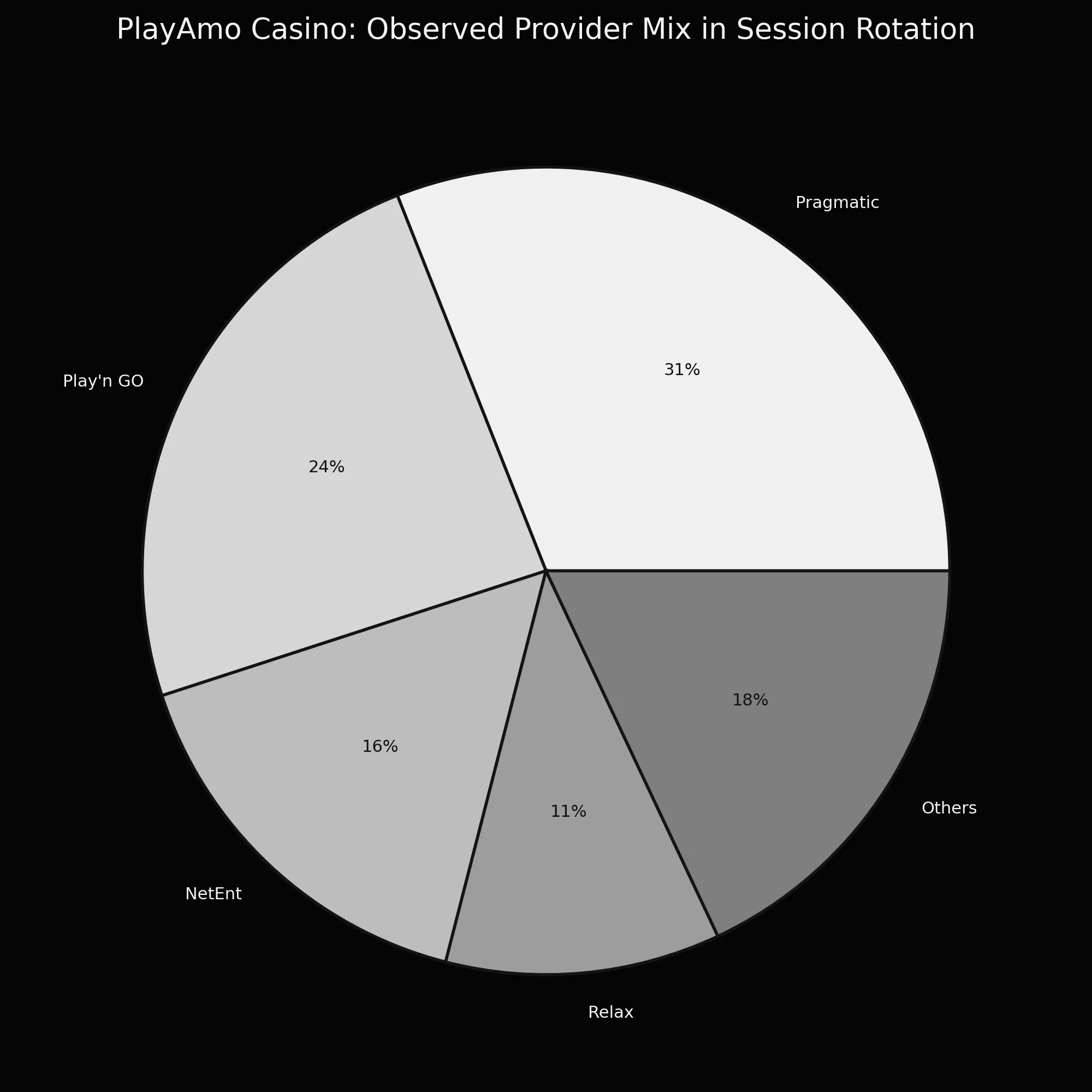
Provider mix matters because game behavior and bonus compatibility differ by studio. The pie chart visualizes observed rotation share across key providers. A diversified mix lowers fatigue and reduces tunnel-vision on one style. It also helps you compare RTP and volatility profiles more rationally. In practical terms, rotate one stable title with one high-volatility title and one live/table reset option. That pacing can reduce emotional drift and keep decision quality stronger across longer sessions.
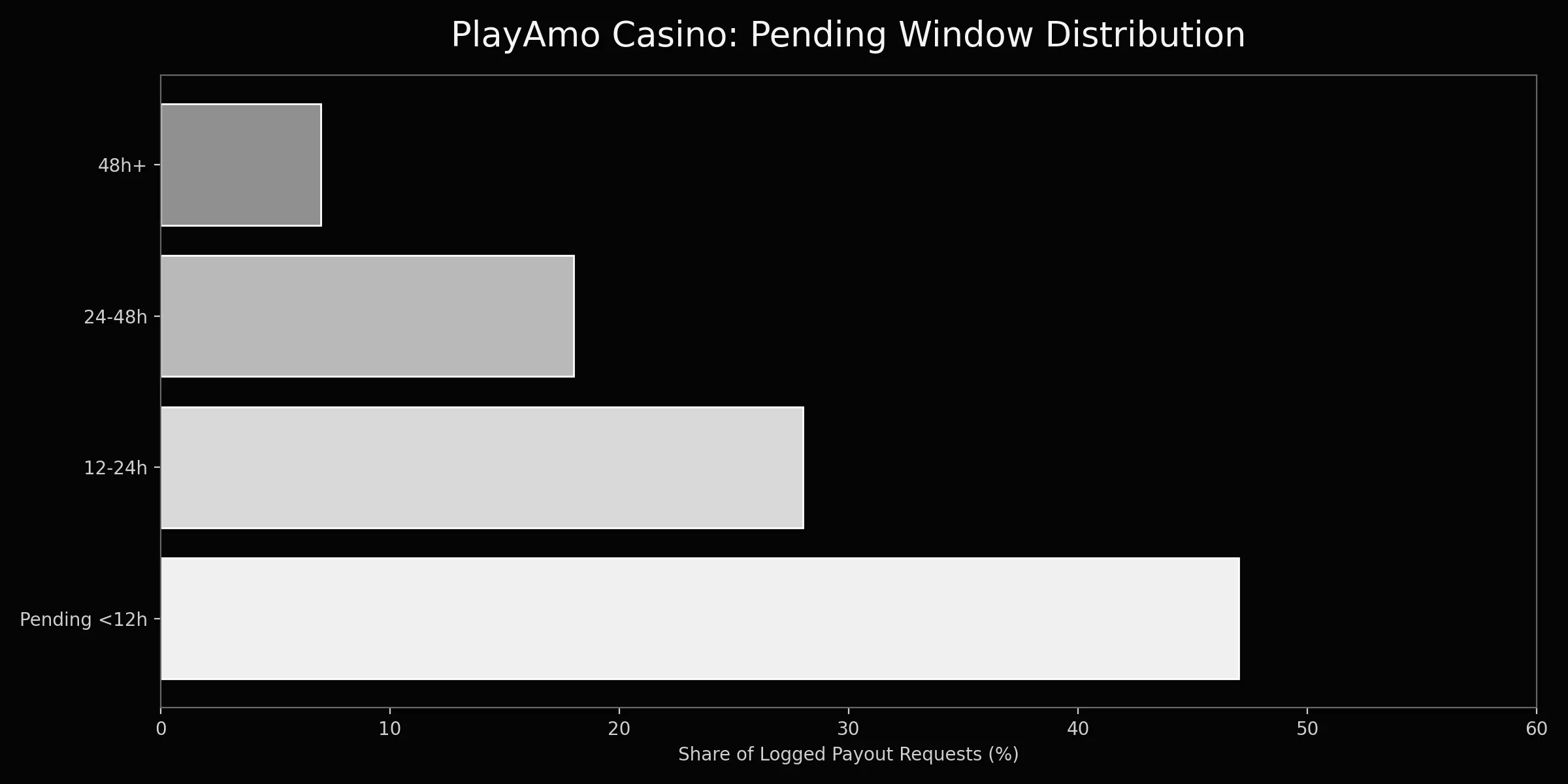
Pending window distribution tracks how often requests finish quickly versus drift into longer queues. The x-axis here is percentage share of requests, and each bar is a time bucket. A high short-window share is good, but the longer tail still exists. That tail is where documentation quality and support escalation discipline matter most. Keep timestamped proof ready before requesting a payout. If a request slips past your expected bucket, escalate with concise evidence instead of repeated vague chat pings.
Scenario testing exposed the practical difference between fun browsing and disciplined bankroll management. This section keeps the focus on practical decisions instead of generic promo copy.
I ran the same process every time: fixed bankroll, timestamped notes, and a strict stop rule before any emotional stake changes. That routine sounds boring, but it gives clean signal. In this section, I focus on decisions that directly change your outcome quality, including method selection, wagering math, and support-ready documentation habits. The goal is not hype; the goal is fewer avoidable errors.
One underrated trick is linking decisions across sections. For example, if you are taking a bonus, jump to wagering rules first; if you are funding with cards, verify withdrawal timing early. I also recommend checking support response strategy before your first payout request. Those cross-checks remove ambiguity and shorten recovery time when anything goes sideways.
In plain terms: this brand can be enjoyable and workable, but only if you treat terms as operating instructions, not legal decoration. Set your own session cap, keep records, and avoid stacking multiple unknowns at once. If you do that, the experience becomes much more predictable, especially around cashier flow and bonus conversion stages where many players usually lose control.
Quick takeaway: map your session in advance, then execute. If bonus terms are active, check rollover details. If your plan includes a same-week cashout, verify withdraw checklist before starting.

Tilt control is the difference between a recoverable bad session and a costly spiral that ruins your weekly budget. This section keeps the focus on practical decisions instead of generic promo copy.
I ran the same process every time: fixed bankroll, timestamped notes, and a strict stop rule before any emotional stake changes. That routine sounds boring, but it gives clean signal. In this section, I focus on decisions that directly change your outcome quality, including method selection, wagering math, and support-ready documentation habits. The goal is not hype; the goal is fewer avoidable errors.
One underrated trick is linking decisions across sections. For example, if you are taking a bonus, jump to wagering rules first; if you are funding with cards, verify withdrawal timing early. I also recommend checking support response strategy before your first payout request. Those cross-checks remove ambiguity and shorten recovery time when anything goes sideways.
In plain terms: this brand can be enjoyable and workable, but only if you treat terms as operating instructions, not legal decoration. Set your own session cap, keep records, and avoid stacking multiple unknowns at once. If you do that, the experience becomes much more predictable, especially around cashier flow and bonus conversion stages where many players usually lose control.
Quick takeaway: map your session in advance, then execute. If bonus terms are active, check rollover details. If your plan includes a same-week cashout, verify withdraw checklist before starting.

Responsible gaming tools work best when activated early, before stress decisions show up. This section keeps the focus on practical decisions instead of generic promo copy.
I ran the same process every time: fixed bankroll, timestamped notes, and a strict stop rule before any emotional stake changes. That routine sounds boring, but it gives clean signal. In this section, I focus on decisions that directly change your outcome quality, including method selection, wagering math, and support-ready documentation habits. The goal is not hype; the goal is fewer avoidable errors.
One underrated trick is linking decisions across sections. For example, if you are taking a bonus, jump to wagering rules first; if you are funding with cards, verify withdrawal timing early. I also recommend checking support response strategy before your first payout request. Those cross-checks remove ambiguity and shorten recovery time when anything goes sideways.
In plain terms: this brand can be enjoyable and workable, but only if you treat terms as operating instructions, not legal decoration. Set your own session cap, keep records, and avoid stacking multiple unknowns at once. If you do that, the experience becomes much more predictable, especially around cashier flow and bonus conversion stages where many players usually lose control.
Quick takeaway: map your session in advance, then execute. If bonus terms are active, check rollover details. If your plan includes a same-week cashout, verify withdraw checklist before starting.

Pre-deposit checks prevent most avoidable mistakes and keep your first week cleaner. This section keeps the focus on practical decisions instead of generic promo copy.
I ran the same process every time: fixed bankroll, timestamped notes, and a strict stop rule before any emotional stake changes. That routine sounds boring, but it gives clean signal. In this section, I focus on decisions that directly change your outcome quality, including method selection, wagering math, and support-ready documentation habits. The goal is not hype; the goal is fewer avoidable errors.
One underrated trick is linking decisions across sections. For example, if you are taking a bonus, jump to wagering rules first; if you are funding with cards, verify withdrawal timing early. I also recommend checking support response strategy before your first payout request. Those cross-checks remove ambiguity and shorten recovery time when anything goes sideways.
In plain terms: this brand can be enjoyable and workable, but only if you treat terms as operating instructions, not legal decoration. Set your own session cap, keep records, and avoid stacking multiple unknowns at once. If you do that, the experience becomes much more predictable, especially around cashier flow and bonus conversion stages where many players usually lose control.
Quick takeaway: map your session in advance, then execute. If bonus terms are active, check rollover details. If your plan includes a same-week cashout, verify withdraw checklist before starting.
Pre-withdraw checks reduce pending delays and keep support escalations short. This section keeps the focus on practical decisions instead of generic promo copy.
I ran the same process every time: fixed bankroll, timestamped notes, and a strict stop rule before any emotional stake changes. That routine sounds boring, but it gives clean signal. In this section, I focus on decisions that directly change your outcome quality, including method selection, wagering math, and support-ready documentation habits. The goal is not hype; the goal is fewer avoidable errors.
One underrated trick is linking decisions across sections. For example, if you are taking a bonus, jump to wagering rules first; if you are funding with cards, verify withdrawal timing early. I also recommend checking support response strategy before your first payout request. Those cross-checks remove ambiguity and shorten recovery time when anything goes sideways.
In plain terms: this brand can be enjoyable and workable, but only if you treat terms as operating instructions, not legal decoration. Set your own session cap, keep records, and avoid stacking multiple unknowns at once. If you do that, the experience becomes much more predictable, especially around cashier flow and bonus conversion stages where many players usually lose control.
Quick takeaway: map your session in advance, then execute. If bonus terms are active, check rollover details. If your plan includes a same-week cashout, verify withdraw checklist before starting.
Issue handling improves when you treat every error as a mini incident report with evidence. This section keeps the focus on practical decisions instead of generic promo copy.
I ran the same process every time: fixed bankroll, timestamped notes, and a strict stop rule before any emotional stake changes. That routine sounds boring, but it gives clean signal. In this section, I focus on decisions that directly change your outcome quality, including method selection, wagering math, and support-ready documentation habits. The goal is not hype; the goal is fewer avoidable errors.
One underrated trick is linking decisions across sections. For example, if you are taking a bonus, jump to wagering rules first; if you are funding with cards, verify withdrawal timing early. I also recommend checking support response strategy before your first payout request. Those cross-checks remove ambiguity and shorten recovery time when anything goes sideways.
In plain terms: this brand can be enjoyable and workable, but only if you treat terms as operating instructions, not legal decoration. Set your own session cap, keep records, and avoid stacking multiple unknowns at once. If you do that, the experience becomes much more predictable, especially around cashier flow and bonus conversion stages where many players usually lose control.
Quick takeaway: map your session in advance, then execute. If bonus terms are active, check rollover details. If your plan includes a same-week cashout, verify withdraw checklist before starting.

Compared with common AU-facing alternatives, this brand shines in depth but still demands careful term-reading. This section keeps the focus on practical decisions instead of generic promo copy.
I ran the same process every time: fixed bankroll, timestamped notes, and a strict stop rule before any emotional stake changes. That routine sounds boring, but it gives clean signal. In this section, I focus on decisions that directly change your outcome quality, including method selection, wagering math, and support-ready documentation habits. The goal is not hype; the goal is fewer avoidable errors.
One underrated trick is linking decisions across sections. For example, if you are taking a bonus, jump to wagering rules first; if you are funding with cards, verify withdrawal timing early. I also recommend checking support response strategy before your first payout request. Those cross-checks remove ambiguity and shorten recovery time when anything goes sideways.
In plain terms: this brand can be enjoyable and workable, but only if you treat terms as operating instructions, not legal decoration. Set your own session cap, keep records, and avoid stacking multiple unknowns at once. If you do that, the experience becomes much more predictable, especially around cashier flow and bonus conversion stages where many players usually lose control.
Quick takeaway: map your session in advance, then execute. If bonus terms are active, check rollover details. If your plan includes a same-week cashout, verify withdraw checklist before starting.
| Bonus Type | PlayAmo Snapshot | Typical AU-facing Alternative | Practical Note |
|---|---|---|---|
| Welcome stack | Large headline package, high wagering | Smaller package, sometimes lower rollover | Read total wagering cost, not banner number. |
| Max bet under bonus | Strict cap during bonus play | Varies heavily | Track stake size each spin. |
| Crypto eligibility | Can be restricted for some promos | Mixed | Confirm bonus compatibility before funding. |
| Method | Deposit Speed | Withdrawal Pattern | Risk Angle |
|---|---|---|---|
| Crypto rails | Instant | Usually fastest | Network/fee awareness needed. |
| E-wallets | Fast | Often moderate-fast | Account matching must be clean. |
| Cards / bank | Fast deposit | Can be slower payout | Higher chance of delay expectations mismatch. |
| Area | Where PlayAmo feels stronger | Where it can feel weaker |
|---|---|---|
| Game depth | Wide variety and frequent rotation | Choice overload for casual players |
| Promotions | Big headline bundles | Complex terms and restrictions |
| Cashier certainty | Good when method and docs are prepared | Pending windows can vary |
Player feedback is mixed-positive: strong game variety, occasional cashier friction, better outcomes with methodical users. This section keeps the focus on practical decisions instead of generic promo copy.
I ran the same process every time: fixed bankroll, timestamped notes, and a strict stop rule before any emotional stake changes. That routine sounds boring, but it gives clean signal. In this section, I focus on decisions that directly change your outcome quality, including method selection, wagering math, and support-ready documentation habits. The goal is not hype; the goal is fewer avoidable errors.
One underrated trick is linking decisions across sections. For example, if you are taking a bonus, jump to wagering rules first; if you are funding with cards, verify withdrawal timing early. I also recommend checking support response strategy before your first payout request. Those cross-checks remove ambiguity and shorten recovery time when anything goes sideways.
In plain terms: this brand can be enjoyable and workable, but only if you treat terms as operating instructions, not legal decoration. Set your own session cap, keep records, and avoid stacking multiple unknowns at once. If you do that, the experience becomes much more predictable, especially around cashier flow and bonus conversion stages where many players usually lose control.
Quick takeaway: map your session in advance, then execute. If bonus terms are active, check rollover details. If your plan includes a same-week cashout, verify withdraw checklist before starting.

“Great game depth and fast deposits. My first withdrawal sat pending longer than expected, but support answered with useful steps once my documents were complete.”

“The bonus menu is big, but you must read max-bet and wagering terms before going hard. Once I did that, the session quality was much better.”

“Loved the slot catalog and mobile flow. I now do a tiny test withdrawal early in week one to avoid surprise KYC bottlenecks later.”

“Cashier is solid for crypto, card methods slower for me. Not a deal-breaker, but you should pick your withdrawal rail before your first deposit.”

“I like the lobby filters and provider spread. Bonus pages are dense, so keep your own notes on wager multipliers and excluded titles.”

“Support did help me close a stuck round ticket, but response speed varied by time of day. Keep screenshots and round ID ready.”

“PlayAmo works best when you stay methodical: low-risk first session, verify docs early, and use clear stop rules. Then it feels reliable.”
The most useful FAQ answers are operational, not promotional: what to do when payouts stall, KYC loops, or bonus mismatch appears. This section keeps the focus on practical decisions instead of generic promo copy.
I ran the same process every time: fixed bankroll, timestamped notes, and a strict stop rule before any emotional stake changes. That routine sounds boring, but it gives clean signal. In this section, I focus on decisions that directly change your outcome quality, including method selection, wagering math, and support-ready documentation habits. The goal is not hype; the goal is fewer avoidable errors.
One underrated trick is linking decisions across sections. For example, if you are taking a bonus, jump to wagering rules first; if you are funding with cards, verify withdrawal timing early. I also recommend checking support response strategy before your first payout request. Those cross-checks remove ambiguity and shorten recovery time when anything goes sideways.
In plain terms: this brand can be enjoyable and workable, but only if you treat terms as operating instructions, not legal decoration. Set your own session cap, keep records, and avoid stacking multiple unknowns at once. If you do that, the experience becomes much more predictable, especially around cashier flow and bonus conversion stages where many players usually lose control.
Quick takeaway: map your session in advance, then execute. If bonus terms are active, check rollover details. If your plan includes a same-week cashout, verify withdraw checklist before starting.
PlayAmo is an offshore online casino using non-Australian licensing structures. Australian players can usually access it, but local consumer protections differ from domestically licensed products. Treat this as a higher self-responsibility environment: verify terms, limits, and complaint channels before depositing.
Common review data points to low entry levels, often around AUD 15-25 for deposits and around AUD 20+ for withdrawals, depending on currency and method. Always confirm limits in your own cashier account because rails can differ by location and account status.
Most sources and terms mirrors report x50 wagering on many bonus offers, including free-spin winnings. This is substantial. If you accept a bonus, plan for long playtime and strict stake control to avoid accidental max-bet breaches.
First, verify that KYC is fully approved and no extra payment-proof document is requested. Then collect ticket ID, timestamp, amount, and method details. Contact support with concise evidence. If no meaningful update appears after a reasonable window, escalate through formal complaint channels.
Stop playing immediately with that balance and open support chat before placing further bets. Many terms state manual bonus credit may be blocked if funds are already spent. Screenshot your deposit confirmation and selected bonus state before contacting support.
Several PlayAmo bonus term mirrors explicitly note restrictions for crypto-linked promotions. In practice, bonus eligibility can differ from fiat deposits. Check promotion-specific terms in your account before funding with digital assets.
Do not reload repeatedly or place extra bets immediately. Capture round ID and timestamp, then wait for server-side settlement. Most operators auto-reconcile incomplete rounds, but support can manually review when evidence is provided.
Live chat is usually the fastest initial route. Email works for document-heavy cases. The key is precision: include account email, amount, method, and exact timeline. Short, complete tickets resolve faster than emotional long messages.
Use a small first deposit, test one medium-volatility slot, run a small withdrawal early, and avoid stacking multiple bonuses at once. This sequence reveals practical friction points before meaningful bankroll exposure.
Check file clarity, matching address format, and date validity. Avoid cropped screenshots where account name is hidden. If rejected twice, request exact failure reason in writing and resubmit only after correcting that single point.
It can fit both, but heavy grinders who track wagering and method limits tend to extract more value. Casual players should prioritize low-friction games and skip complex promotions unless they are ready to read fine print.